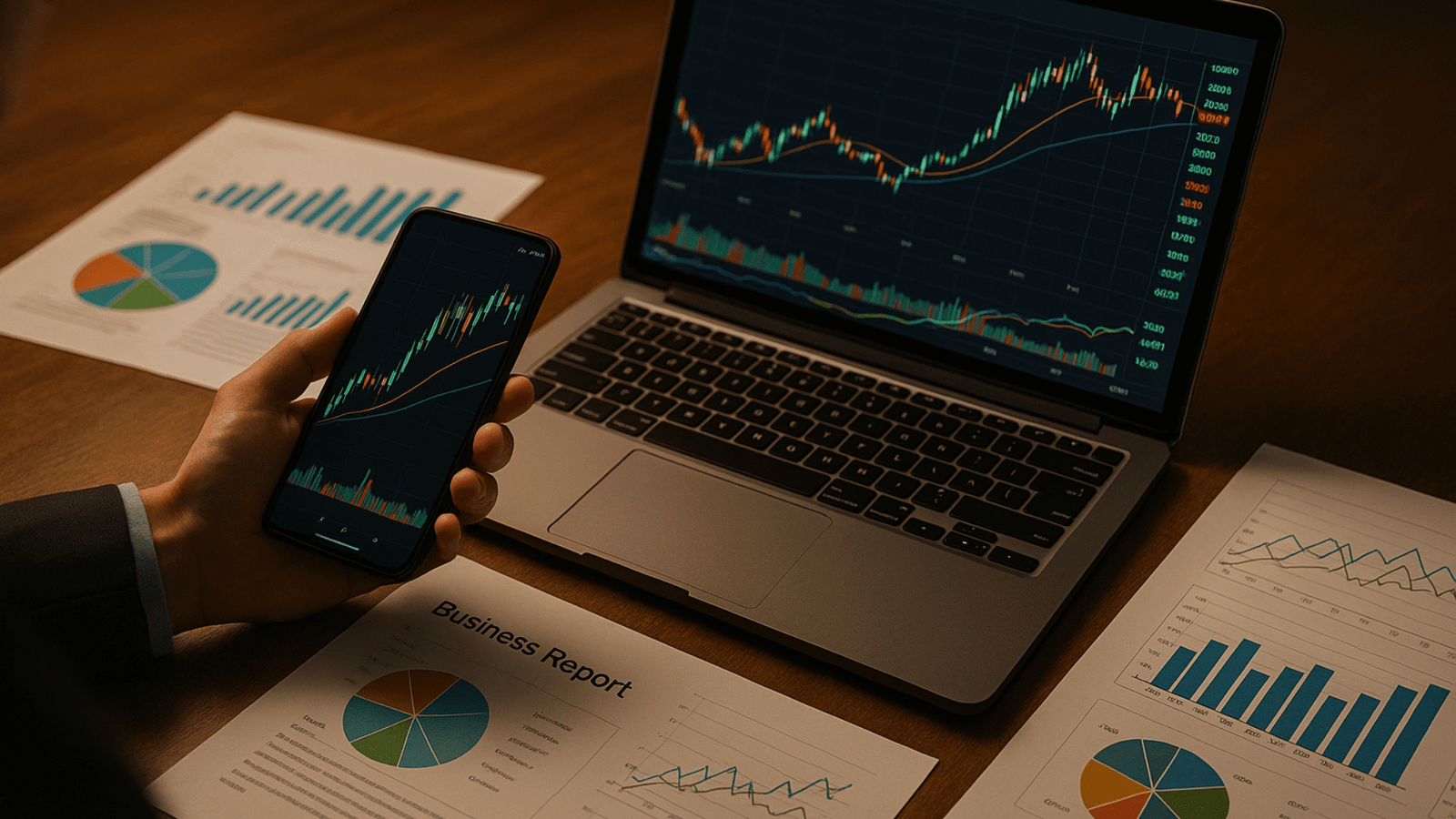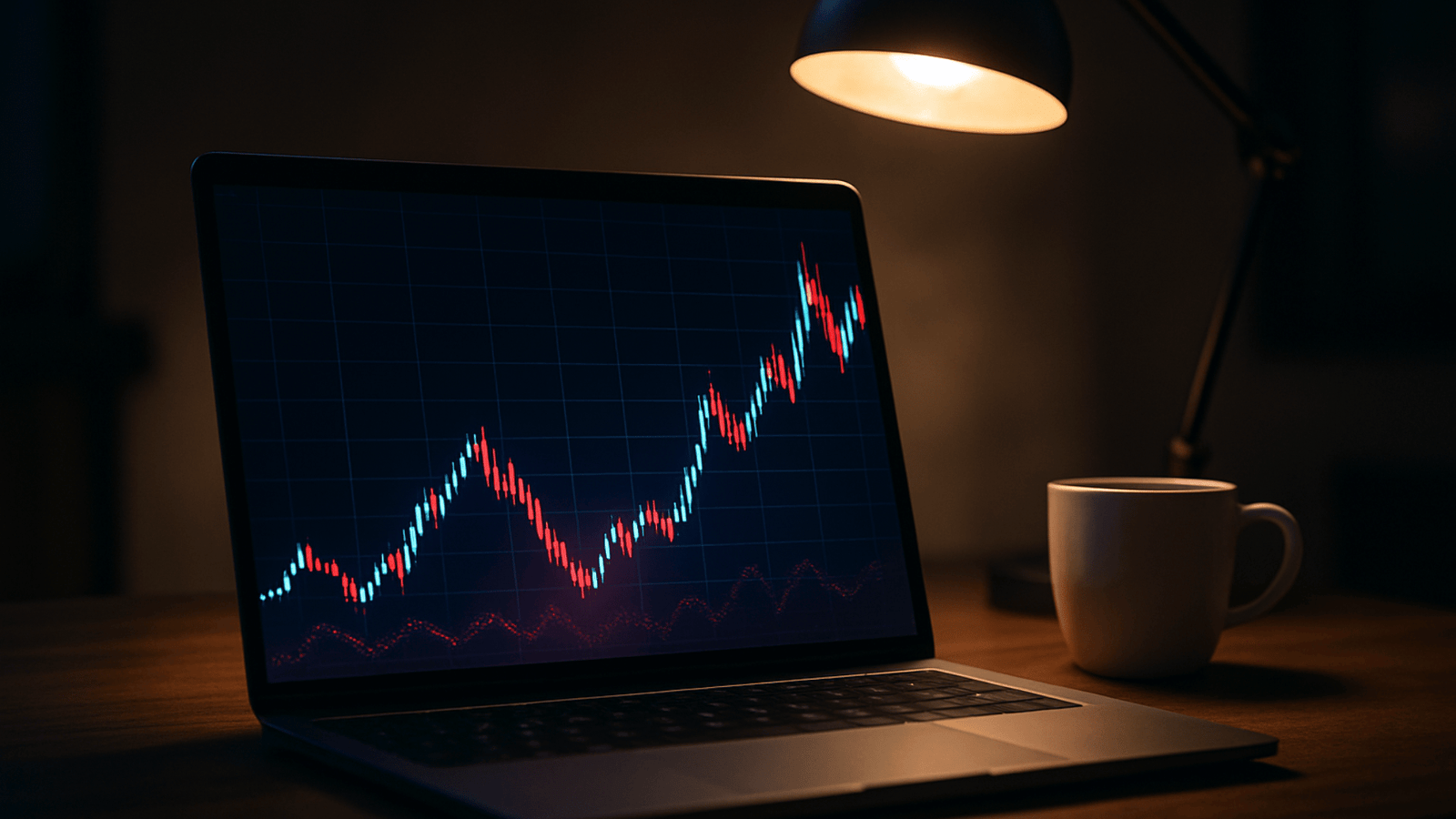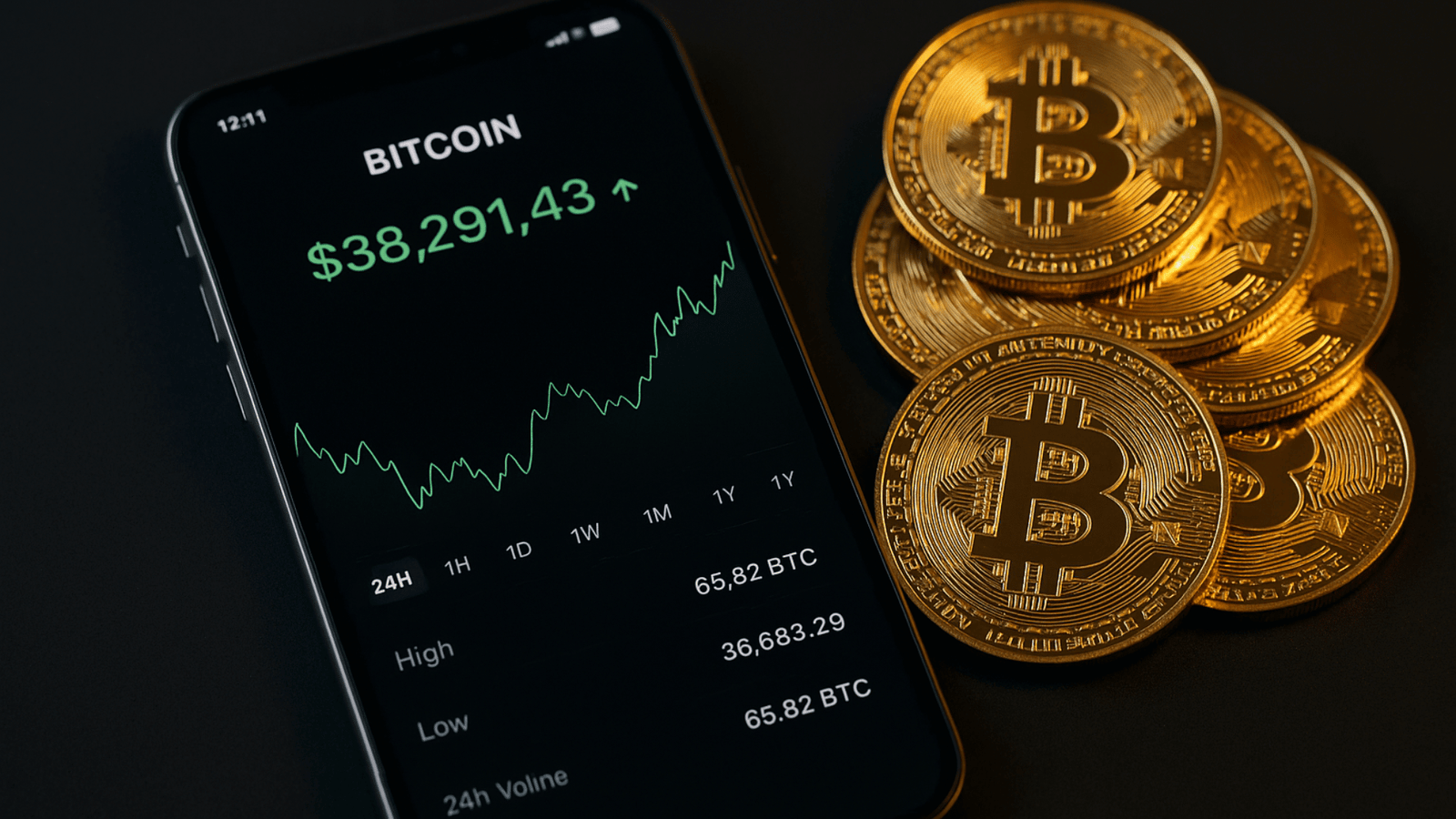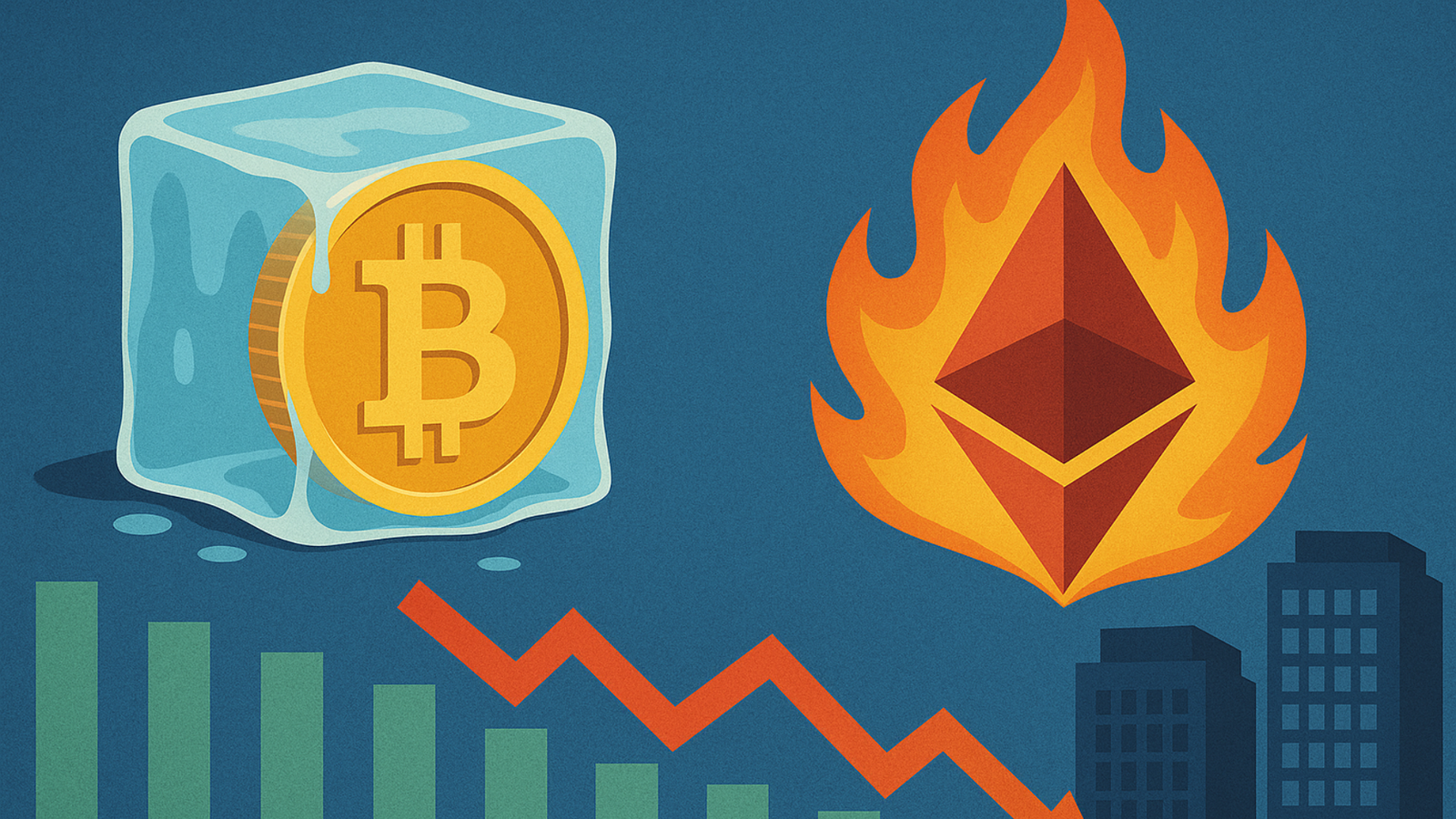


In 2025 the market delivered a rare message. Gold and copper both became standout winners while bitcoin lagged. That is unusual because gold is normally the fear hedge and copper is typically the growth and industry metal. When both rise strongly together it suggests investors are paying for two things at once. They want protection from fiscal and geopolitical uncertainty and they also want exposure to the physical buildout behind electrification and the AI boom. Bitcoin which is often positioned as digital gold and also viewed by some as a high beta tech proxy did not fully benefit from either theme. For traders this divergence is not just a headline it is a regime signal that changes how you read price action how you size risk and how you decide whether to trade breakouts or trade ranges.
The 2025 performance picture and why it matters
A simple performance comparison explains why this topic is important. Gold surged to record highs and was among the best performing major assets of the year. Copper also posted a strong gain and reached record territory. Meanwhile bitcoin was down on the year in the same period even as stock indexes were positive and the US dollar weakened. That gap is the key. If the market is rewarding hard assets and real economy inputs but bitcoin is not leading then you cannot rely on the idea that bitcoin will automatically behave like a hedge during fear or like a tech asset during growth. You have to treat bitcoin as its own market with its own buyer base and its own timing.
For Signal Snipper this changes the playbook. In a regime where tangible assets are preferred the edge comes from following flows tracking relative strength and using macro ratios as filters rather than leaning on narrative.
Why gold up and copper up at the same time is a major signal
When gold rallies it usually reflects rising demand for protection. Investors often move toward gold when they worry about inflation debt sustainability policy credibility trade tensions and geopolitical instability. Copper usually rallies when growth expectations rise because copper demand is tied to construction manufacturing electrification and infrastructure spending.
So when both gold and copper rise strongly together it means the market is pricing a mixed world. Growth is real but fragility is real too. The AI and electrification buildout creates a powerful structural demand story for copper. At the same time fiscal stress and political uncertainty increase demand for gold as insurance. This combination often shows up in other indicators as well such as a falling copper to gold ratio even while copper is rising because gold is rising faster. That is a classic late cycle signature. The economy may still expand but investors are paying a premium for protection which tells you risk appetite is conditional and quick to switch.
The core puzzle why bitcoin did not capture either trade
Bitcoin has been marketed in two primary ways. One is as digital gold a store of value that should benefit when investors fear currency debasement or loss of trust in financial systems. The other is as a new financial technology and a high beta asset that can benefit when liquidity improves and risk appetite rises.
In 2025 the market rewarded the physical versions of both themes. Gold captured the fear bid. Copper captured the AI and electrification buildout bid. Bitcoin did not lead either category. That does not mean the bitcoin thesis is broken. It means the marginal buyer was not as aggressive as in prior cycles and the investor base that pushed gold and copper higher did not rotate into bitcoin at the same scale.
One explanation is how bitcoin is often sold to institutions. The institutional pitch has increasingly sounded like passive allocation. It is framed as a strategic long term hold rather than a near term must own. Passive narratives reduce urgency. They reduce the sense that a manager needs to buy now or miss a move. Meanwhile gold and copper have clear immediate drivers. Gold has visible demand and policy risk premiums. Copper has visible real economy demand linked to grids data centers and electrification. Those drivers create a more obvious reason for capital to move quickly.
Gold’s bid is structural because it has a sovereign buyer base
Gold benefits from a class of buyers that bitcoin still largely lacks at scale. Central banks and sovereign institutions buy gold as a reserve asset. They do not need to explain the purchase as a speculative trade. They can frame it as prudent reserve management and diversification. This matters because sovereign demand can be persistent and less sensitive to short term price swings. It can create a sturdier floor and a stronger trend.
Bitcoin demand by contrast is still dominated by private actors. That includes retail participants hedge funds family offices and crypto native investors. These groups can be very powerful in bull phases but they are also more sensitive to volatility drawdowns and policy uncertainty. Without a deep sovereign bid bitcoin’s performance can lag in regimes where governments and central banks are the dominant marginal buyers of hard assets.
This also helps explain why gold can outperform even when the dollar is weak and even when equities are up. If central banks keep accumulating gold the trend can persist regardless of short term macro cross currents.
Copper’s bid is the AI and electrification buildout in metal form
Copper is a direct expression of real world buildout. Power grids transformers renewable buildouts electric vehicles industrial electrification and especially data center expansion all rely heavily on copper. AI is not only software. AI requires massive computing clusters and those clusters require power and cooling and physical infrastructure. When the market believes capex cycles are accelerating and infrastructure bottlenecks matter it tends to price that belief through copper.
Copper also has supply side constraints. New mines take years to develop and permitting is complex. So when demand rises and supply cannot instantly respond prices can move fast. This is why copper can act like a macro expression of real economy tightness even when financial assets are behaving differently.
The copper to gold ratio and what it says about the cycle
A useful regime indicator is the copper to gold ratio. Traders often treat it as a proxy for growth versus fear. When the ratio rises it typically signals growth optimism and risk appetite. When it falls it signals defensive behavior and late cycle caution.
In 2025 the ratio reportedly sank toward long term lows because gold surged more than copper. That tells you something very specific. It says growth themes are present but protection is even more valued. The market is not relaxed. It is participating in growth while simultaneously hedging heavily. In that kind of environment bitcoin often struggles to lead because its identity flips depending on who is trading it. Some treat it as risk on. Some treat it as hedge. When the broader market is conflicted bitcoin can chop as it waits for a clearer catalyst.
For Signal Snipper this ratio becomes a macro filter. If the copper to gold ratio is trending lower you should demand cleaner setups and avoid forcing high leverage trades. If it stabilizes and turns upward you can be more aggressive because the macro regime is shifting toward risk appetite.
Is bitcoin weak or simply coiling for a larger move
It is important not to confuse underperformance with failure. Bitcoin has a long history of consolidating through uncertain macro periods and then expanding violently once a catalyst appears. Consolidation can be accumulation but it can also be distribution. The difference shows up in behavior around key levels volume patterns and the reaction to macro news.
If bitcoin is building energy you often see volatility compression tighter ranges and a steady bid on dips. Funding normalizes and liquidations become less extreme. This is the market resetting leverage and waiting for the next directional impulse. When expansion begins the move can be sharp because positioning is cleaner.
If bitcoin is distributing you often see rallies sold quickly and support levels break easily. Volume increases on down days and recovery attempts fail. In that case it is better to trade defensively and wait for a deeper reset.
The Signal Snipper framework six signals to trade this regime
Signal one track relative strength not just price
Watch bitcoin relative to gold and relative to copper. Even if bitcoin is flat it can be gaining strength if it starts outperforming gold and copper on a weekly basis. Relative strength often turns before the narrative changes.
If bitcoin cannot outperform gold during debasement headlines the hedge bid is weak. If it cannot outperform copper during AI excitement the growth proxy bid is weak. That tells you to keep expectations grounded and focus on range trades until leadership returns.
Signal two use the copper to gold ratio as a macro filter
When the ratio is falling the market is defensive. Reduce leverage and focus on high quality entries. When the ratio stabilizes and turns upward the environment becomes friendlier for crypto beta.
Signal three monitor dollar trend and real yields
Bitcoin often breathes better when the dollar weakens and real yields are less restrictive. But 2025 demonstrated that dollar weakness alone is not enough. It is a condition not a guarantee. Treat it as supportive background rather than a direct trigger.
Signal four watch volatility compression and breakout direction
If bitcoin is coiling you want to see realized volatility dropping and ranges tightening. Then you want to see which side breaks with conviction. When the breakout aligns with improving relative strength that is when expansion trades become attractive.
Signal five follow flow reality checks
Headlines about adoption or regulatory progress do not always translate into fresh demand. The market can price optimism early and then stall. The next leg usually requires either a new buyer cohort or a new macro shock that changes urgency.
Signal six look for exhaustion in tangible assets
When gold and copper go vertical they can become crowded. If you see signs of exhaustion in metals while bitcoin stabilizes that can set up a rotation into laggards. This is when bitcoin sometimes catches a bid simply because relative value traders start looking for underowned exposure.
Three scenarios for early 2026 and how to position
Scenario one debasement concerns accelerate
If fiscal stress deepens and gold stays strong bitcoin can eventually respond. But do not assume timing. In this scenario you want to accumulate only when bitcoin shows it can hold key supports and begin outperforming gold on a multi week basis. Until that happens be cautious with leverage and treat dips as potential traps rather than automatic buys.
Scenario two the AI boom broadens and risk appetite improves
If capex and infrastructure spending continue and copper remains supported risk appetite may improve across markets. In this scenario you want to see bitcoin regain trend structure higher highs stronger spot volume and healthier breadth within crypto. If bitcoin still lags in a risk on environment focus on segments that have measurable usage or cashflow rather than chasing everything.
Scenario three a risk off shock hits markets
In a sudden risk off event gold may remain bid while crypto sells with risk assets initially. The opportunity comes after the first wave. The assets that recover fastest are your leaders for the next phase. Signal Snipper should prioritize preservation first and then use the recovery to identify strength.
The deeper takeaway flight to tangibility is a trust signal
The 2025 market behavior is a form of voting. Investors voted for things that feel real. Gold is real and historically trusted. Copper is real and economically necessary. Bitcoin is also scarce but it is a network asset and its value is expressed through adoption trust and liquidity. In a regime where institutions and sovereign buyers dominate the marginal demand tangible assets can lead while bitcoin waits for a catalyst that makes its advantages urgent again.
Those advantages are real. Portability neutrality censorship resistance and global liquidity are unique properties. But markets do not always price uniqueness immediately. They price urgency. When urgency returns bitcoin can flip from laggard to leader quickly.
What Signal Snipper should do right now
Treat bitcoin as its own market not as automatic digital gold. Track bitcoin versus gold and bitcoin versus copper weekly and let relative strength guide you. Use the copper to gold ratio as your macro filter to decide how aggressive to be. Respect consolidation and avoid forcing breakouts until volatility expansion aligns with leadership. Stay humble about narratives and focus on buyer behavior flows and regime indicators.
When tangible assets are the winners the best crypto strategy is not to fight the tape. It is to wait for confirmation of leadership and then press when conditions align. That is how you survive the chop and catch the expansion.